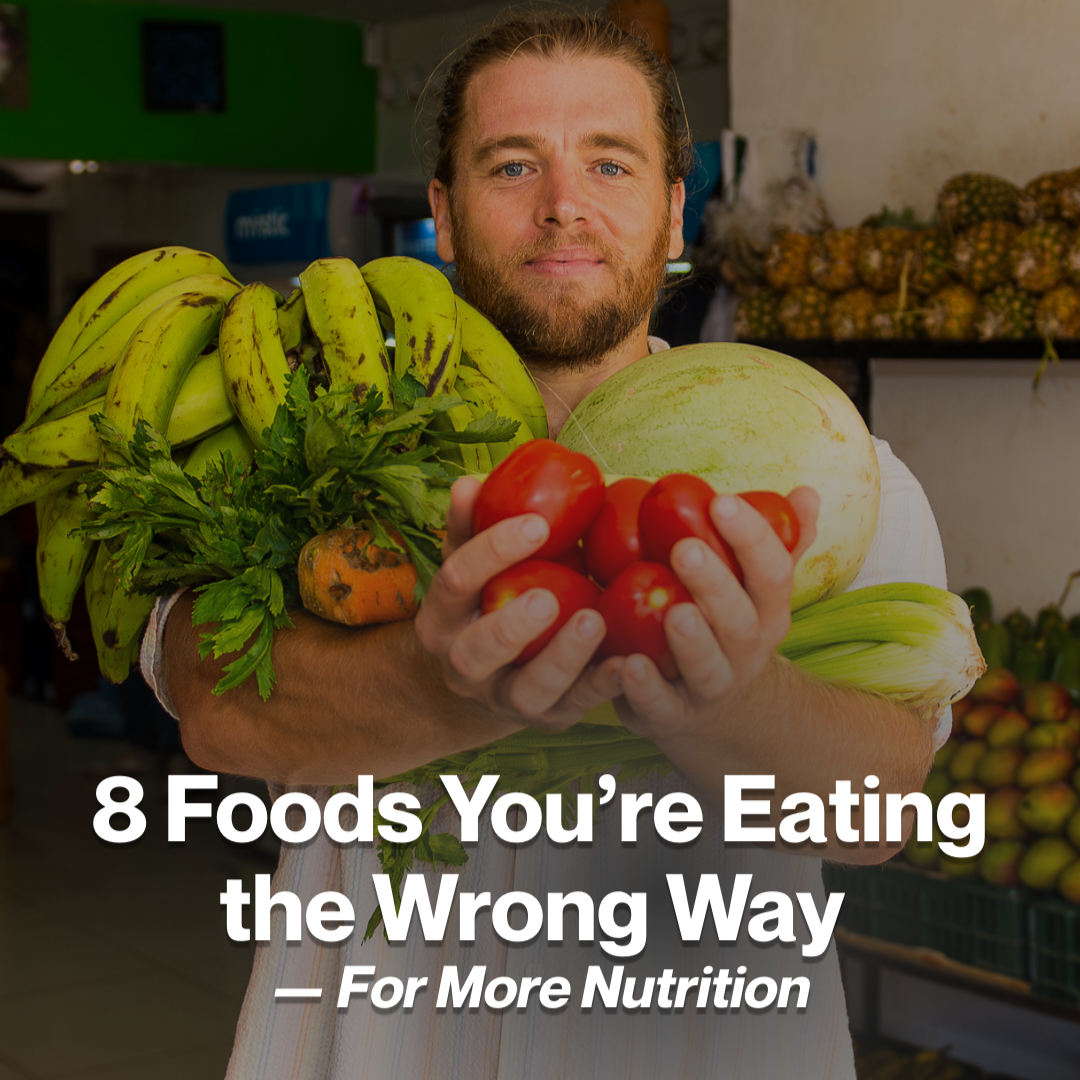
Small Nutrition Tweaks = Big Difference
People come eating “clean”, organic, expensive food. Yet their digestion is sluggish, fat loss is stalled, blood markers are flat, and energy is inconsistent.
Not because the food is wrong. But because small tweaks stack up.
Modern nutrition taught us what to eat. It quietly forgot to teach us how food actually works inside the body. Factors such as preparation, timing, heat, and location decide whether nutrients are absorbed, wasted, or inflammatory.
In this article, we will discuss 8 popular health foods that you’re likely eating wrong and how to eat them in a superior way. In no particular order:
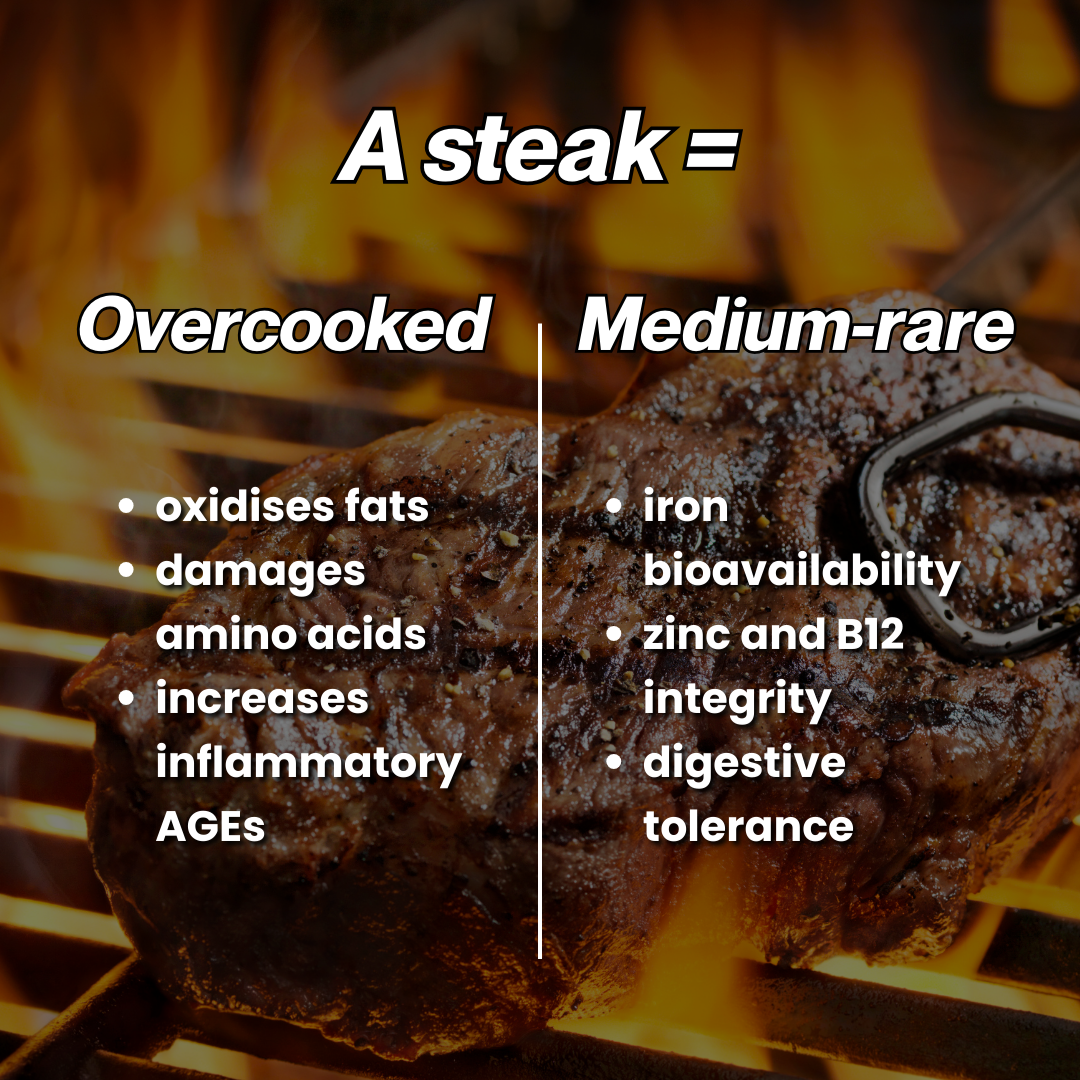
1. Steak was never meant to be cooked to death
Medium-rare isn’t a preference. It’s physiology.
Overcooking meat:
oxidises fats
damages amino acids
increases inflammatory AGEs
Cooking steak medium-rare, especially with a simple acidic or herb marinade, preserves:
iron bioavailability
zinc and B12 integrity
digestive tolerance
We should never fear red meat — we should fear destroyed red meat or meat that's fake or manipulated.
2. The most valuable part of watermelon isn’t the red
The white pith — the section most people cut away — is richest in citrulline.
Citrulline supports:
nitric oxide production
blood flow
oxygen delivery
metabolic flexibility
We eat the sugar for pleasure and discard the compound that supports circulation.
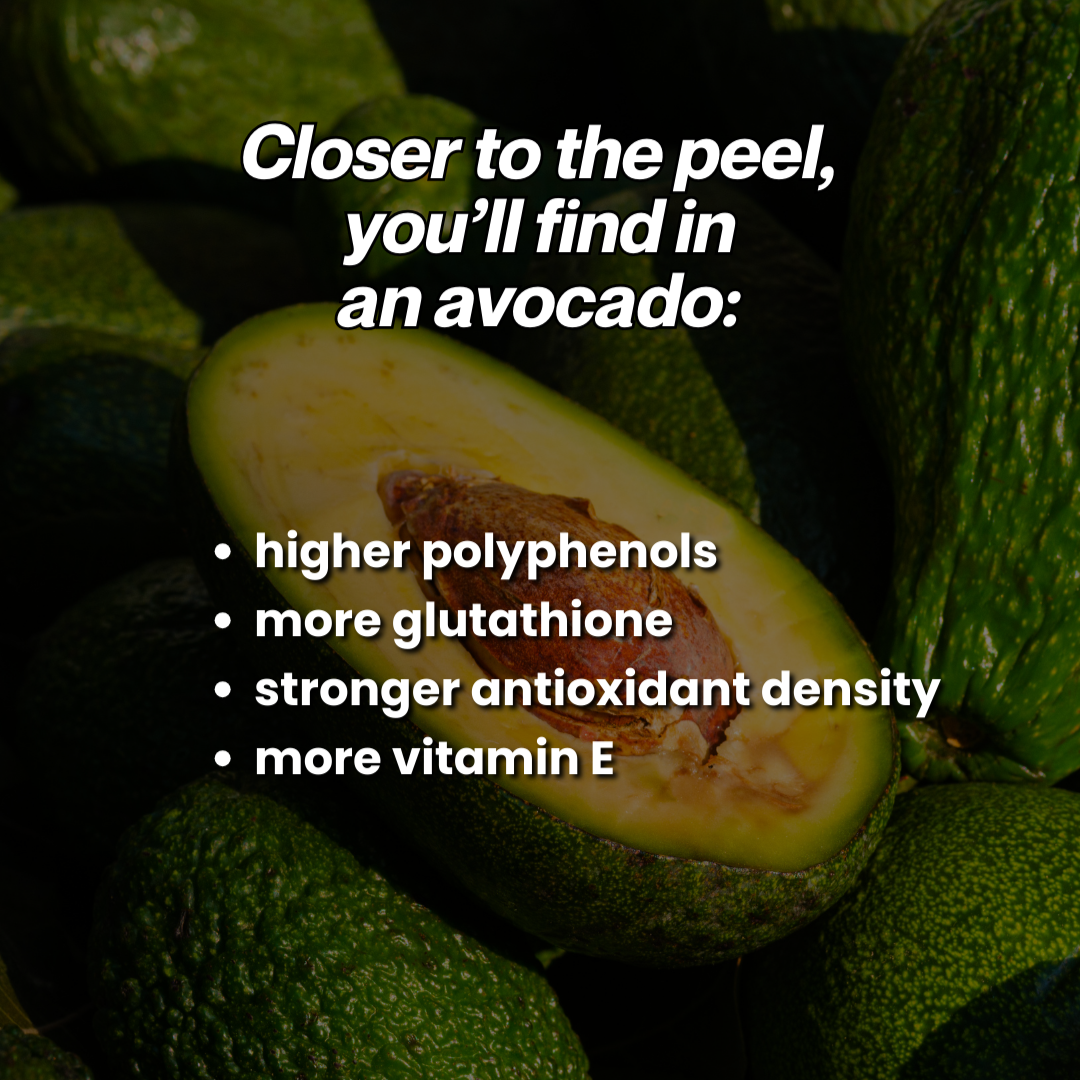
3. Avocado hides its nutrition at the edges
The pale centre is easy. The dark green layer near the skin is where the value lives.
Closer to the peel, you’ll find:
higher polyphenols
more glutathione
stronger antioxidant density
More vitamin E
Nutrition often lives where convenience ends. Just a little more time and energy spent on scraping as close to the skin as possible = more benefits.
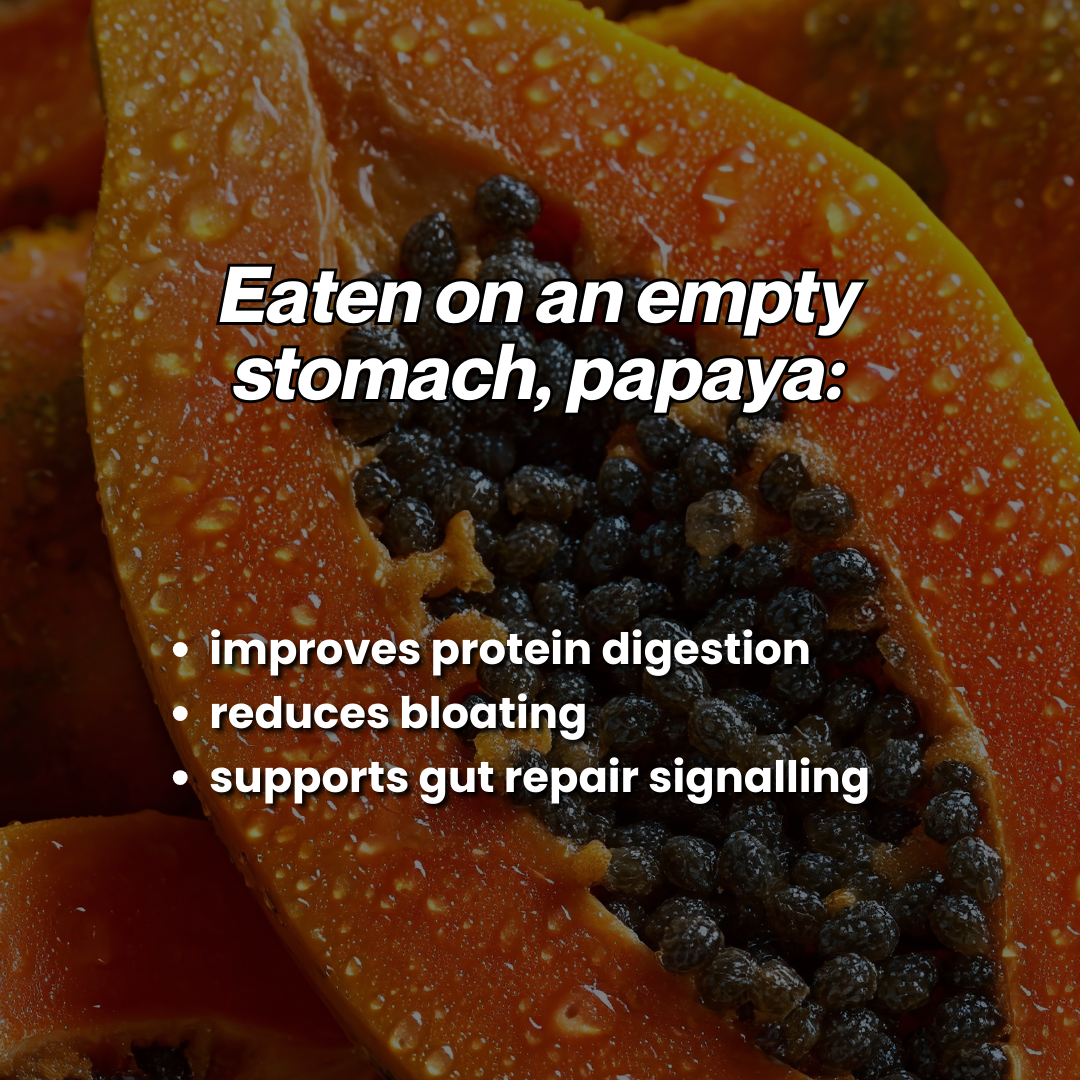
4. Papaya isn’t a dessert — it’s digestive support
Papaya contains papain, a proteolytic enzyme.
Eaten on an empty stomach, papaya:
improves protein digestion
reduces bloating
supports gut repair signalling
Not all fruit is fuel. Some fruit is an instruction that can support factors like the gut. I personally feel really good when consuming papaya - it definitely has an increased bowel movement factor.
5. Garlic only works if you let it breathe
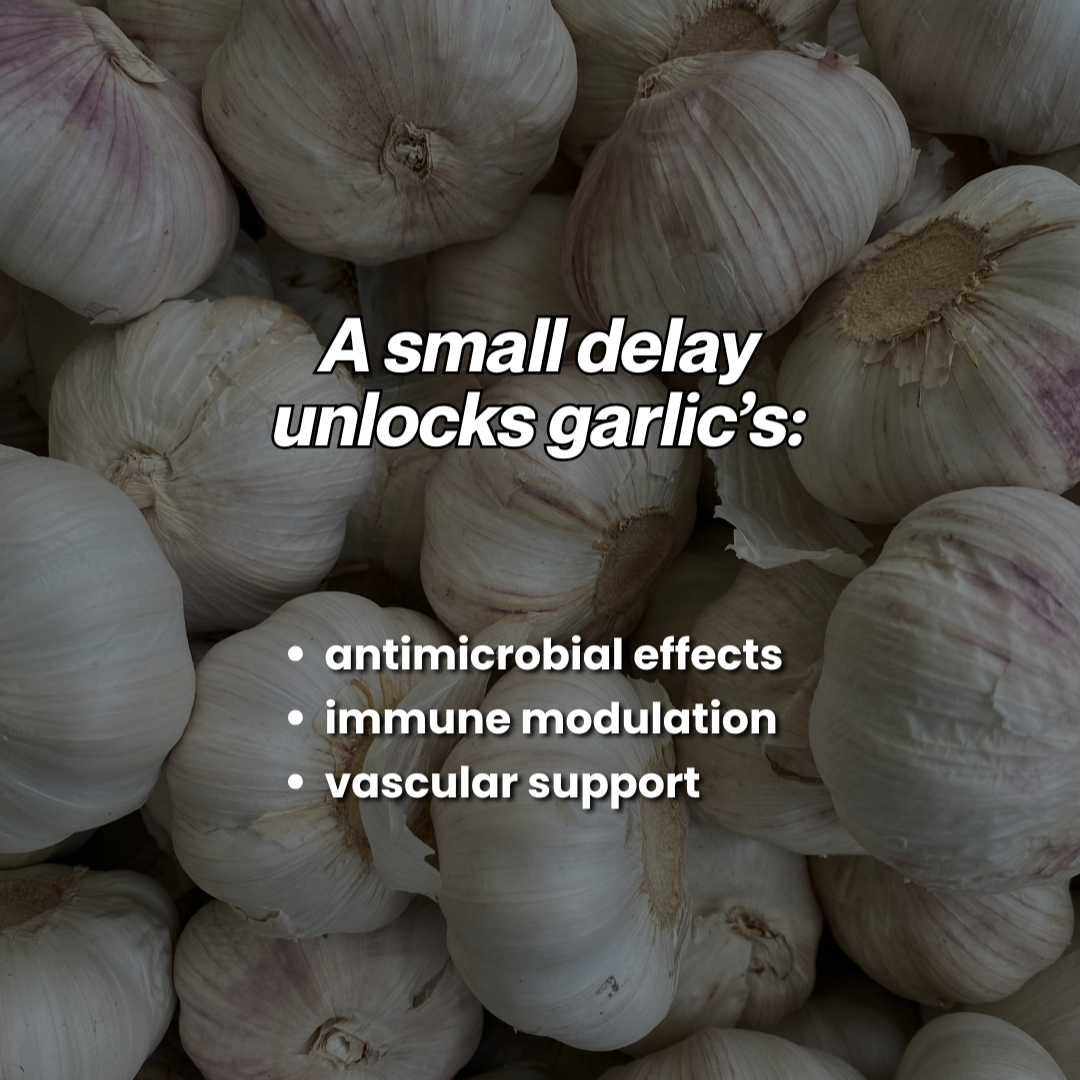
Crush garlic. Then wait. That pause — around 10 minutes — allows allicin to form.
However, if you cook it immediately, the compound never appears.
This small delay unlocks garlic’s:
antimicrobial effects
immune modulation
vascular support
Nutrition rewards patience and intelligence.
6. Kiwi works better when eaten whole
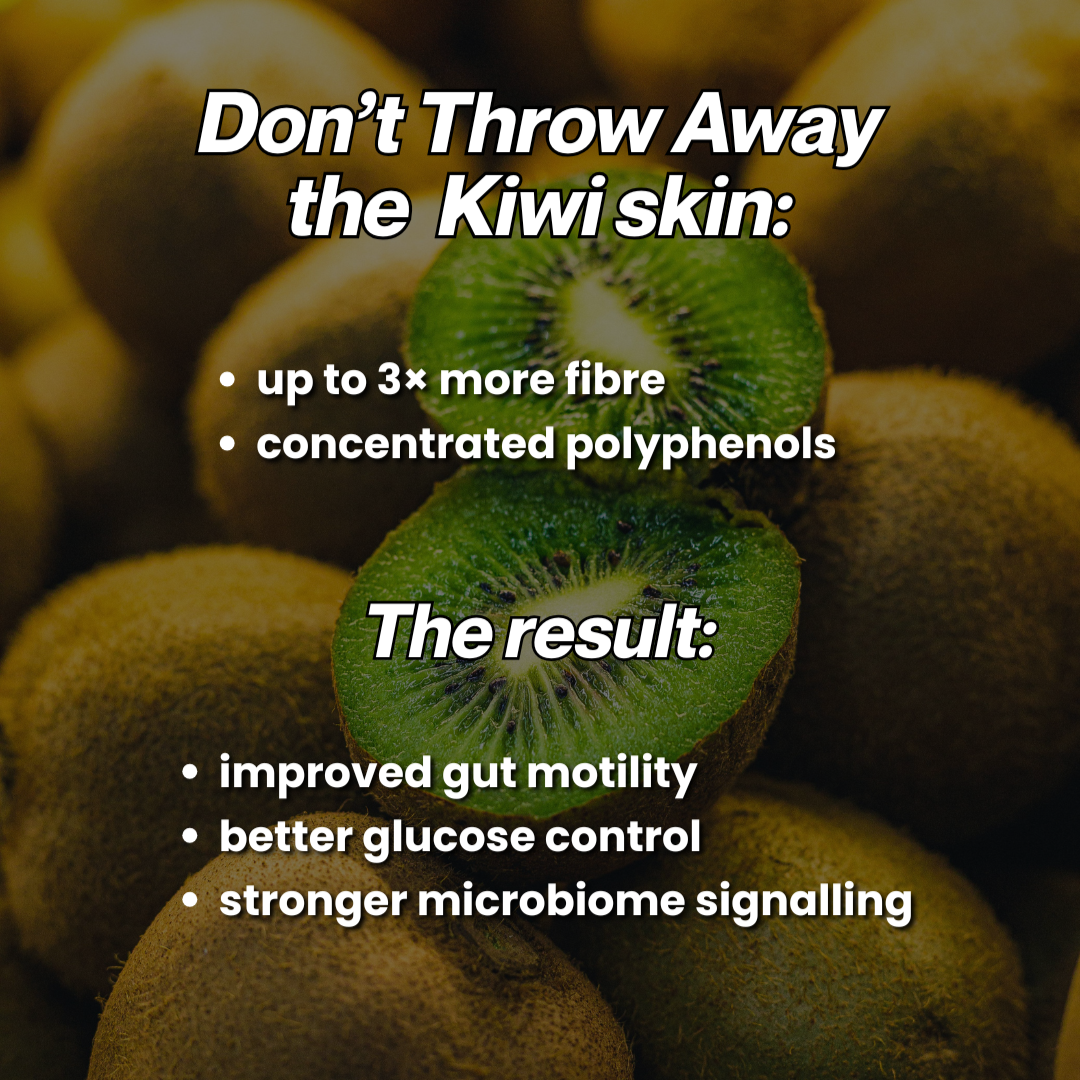
Yes — skin included. Kiwi skin contains:
up to 3× more fibre
concentrated polyphenols
The result:
improved gut motility
better glucose control
stronger microbiome signalling
Buy organic. Wash well. Slice thin or eat whole. You can even try a golden kiwi for a variety that tastes a little sweeter.
7. Carrots without fat are unfinished
Beta-carotene (pre-vitamin A) requires fat and gentle heat to convert into usable vitamin A - retinol - which is the most important for health.
Raw carrots alone look virtuous — but can be grated into a raw carrot salad like here. But for more nutrients, a little TLC, nutrient density and bioavailability improve.
Carrots with butter, olive oil, or broth? That’s when the signal completes. Similar to kiwis - you ideally want organic with that fibre, so just wash and avoid peeling.
8. Honey - very hard, not immediately.
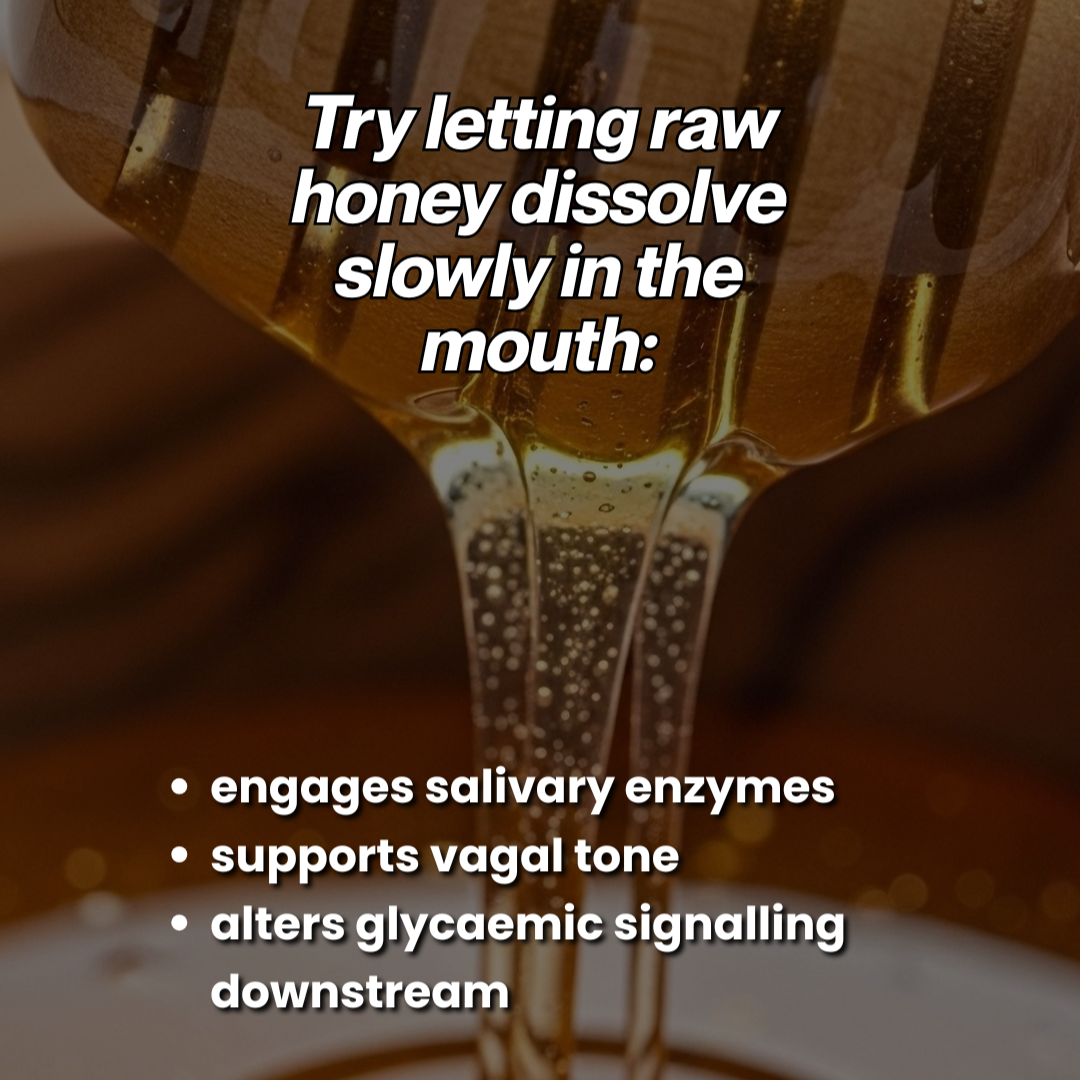
Honey shouldn’t be swallowed immediately. Letting raw honey dissolve slowly in the mouth:
engages salivary enzymes
supports vagal tone
alters glycaemic signalling downstream
Sometimes digestion starts before the stomach. Trying honey before a meal can help those with digestive issues. This applies to chocolate - the high-quality stuff. Allow it to dissolve in your mouth to reduce the bitter impact on digestion by increasing saliva, and to activate the celiac phase of digestion.
Final Takeaway
You don’t need to be consuming 30 different plants a day for variety to be healthy. OR go overboard with fibre supplements. We have everything usually available in front of us. Sometimes we just need a new way of seeing things, like the examples above.
It comes from:
using the whole food
respecting timing
avoiding unnecessary destruction
open mind and exploring new ways.
Most people don’t fail because they eat poorly. They fail because they were never taught how food actually works or to explore the full potential.